
Hyperbaric Oxygen Therapy for Concussion & Traumatic Brain Injury

Still Struggling After a Concussion?
Hyperbaric Oxygen Therapy may help support recovery from persistent post-concussion symptoms, brain fog, headaches, fatigue, and cognitive difficulties.
Physician Oversight
FDA-Cleared Chambers
100% Medical Oxygen
Individualized Treatment Plans
When a Concussion Doesn't Fully Heal
Most people recover from a concussion within days to weeks. However, some continue to experience symptoms for months or even years after the initial injury.
This condition is often called Persistent Post-Concussion Syndrome (PPCS) and may occur after:
Sports injuries
Motor vehicle accidents
Falls
Military blast injuries
Workplace injuries
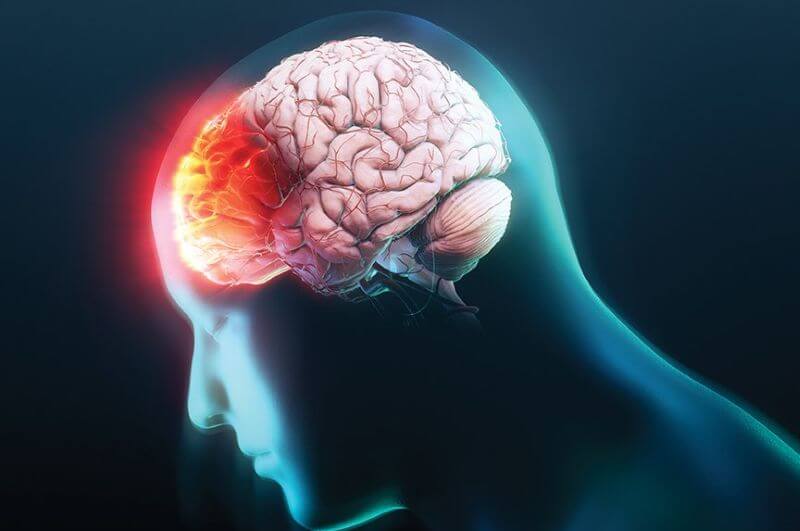
Even when MRI or CT scans appear normal, many patients continue to struggle with symptoms that significantly affect quality of life.
At Saint George Hyperbarics, we use Hyperbaric Oxygen Therapy (HBOT) as part of a comprehensive recovery approach designed to support the brain's natural healing processes.
Common Symptoms of Persistent Post-Concussion Syndrome
Patients frequently report:
Brain fog
Difficulty concentrating
Memory problems
Headaches
Dizziness
Balance issues
Fatigue
Sleep disturbances
Anxiety
Depression
Sensitivity to light or sound
Reduced exercise tolerance
These symptoms can persist long after the initial injury and may impact work, school, relationships, and daily activities.
What Happens Inside the Brain After a Concussion?
A concussion is more than a temporary "bump on the head."
Research suggests that traumatic brain injury can trigger:
Neuroinflammation
Reduced cerebral blood flow
Mitochondrial dysfunction
Oxidative stress
Impaired cellular energy production
Disruption of neural networks
These changes may persist long after the original injury and contribute to ongoing symptoms. Studies continue to demonstrate measurable abnormalities in brain function and structure even months to years after mild traumatic brain injury.
How Hyperbaric Oxygen Therapy May Help
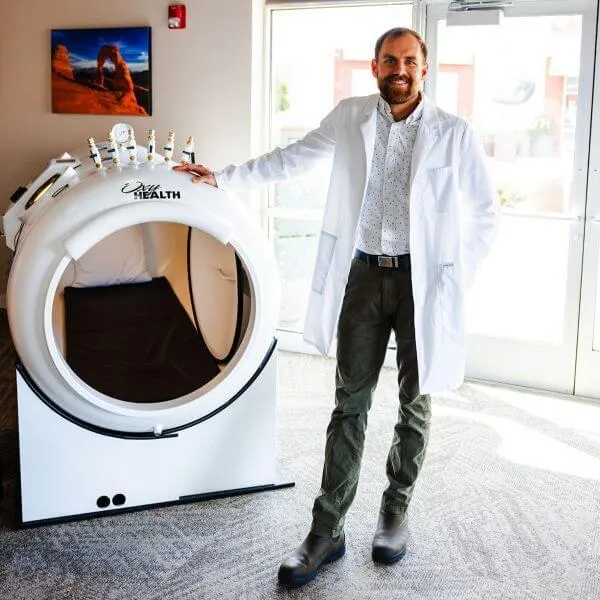
Hyperbaric Oxygen Therapy involves breathing 100% oxygen inside a pressurized medical chamber.
This significantly increases the amount of oxygen dissolved in the bloodstream, allowing oxygen to reach areas of the brain that may have impaired circulation or metabolism.
Researchers have proposed several mechanisms by which HBOT may support recovery after brain injury:
Increased Oxygen Delivery
HBOT can increase oxygen availability to injured tissues, helping support cellular metabolism and energy production.
Improved Cerebral Blood Flow
Studies suggest HBOT may improve microcirculation and blood vessel function within the brain.
Reduced Neuroinflammation
Hyperbaric oxygen has been shown to influence inflammatory signaling pathways associated with brain injury.
Support for Neuroplasticity
Research suggests HBOT may stimulate processes involved in neuroplasticity, angiogenesis, and tissue repair.
Enhanced Cellular Energy Production
Oxygen is essential for mitochondrial function and ATP generation, the energy currency used by brain cells.
Who May Be a Candidate?
You may be a candidate for HBOT if you have:
A history of concussion or TBI
Symptoms lasting longer than several weeks
Persistent brain fog
Cognitive difficulties
Fatigue
Chronic headaches
Dizziness
Sleep disturbances
Ongoing neurological symptoms despite conventional treatment

Every patient receives an individualized evaluation to determine whether HBOT is appropriate and safe.
What to Expect
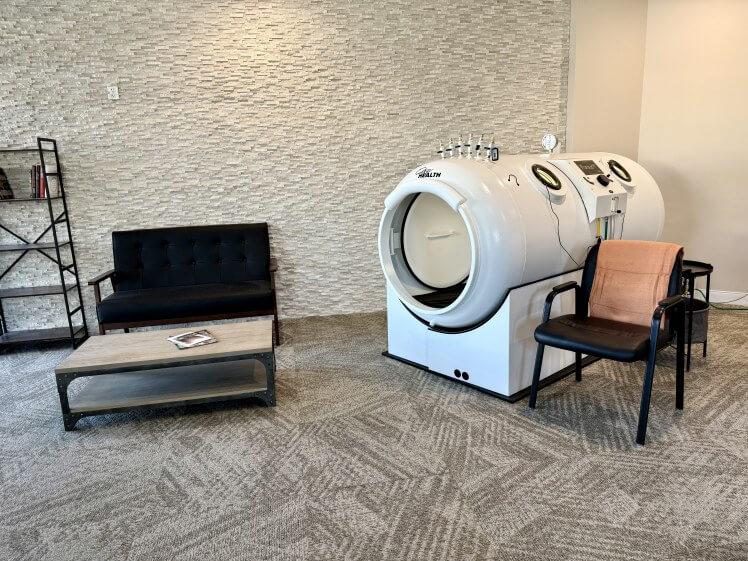
Treatment typically involves:
Comprehensive consultation with a licensed medical provider
Review of symptoms and medical history
Individualized treatment planning
A series of HBOT sessions over several weeks
Most patients relax comfortably in our FDA-cleared medical chambers while breathing oxygen under pressure
Why Saint George Hyperbarics?
Unlike many wellness-focused oxygen centers, Saint George Hyperbarics provides:
Medical-grade hyperbaric oxygen therapy
FDA-cleared hard chambers
100% oxygen delivery
Certified hyperbaric clinicians
Physician oversight
Individualized treatment protocols
Our goal is to help patients maximize recovery potential and improve quality of life through evidence-informed hyperbaric medicine.
References
Harch PG, Andrews SR, Fogarty EF, et al. "Case Control Study: Hyperbaric Oxygen Treatment of Mild Traumatic Brain Injury Persistent Post-Concussion Syndrome and PTSD." Medical Gas Research. 2017.
https://pubmed.ncbi.nlm.nih.gov/29152209/ (PubMed)Harch PG. "Systematic Review and Dosage Analysis: Hyperbaric Oxygen Therapy Efficacy in Mild Traumatic Brain Injury Persistent Postconcussion Syndrome." Frontiers in Neurology. 2022.
https://pmc.ncbi.nlm.nih.gov/articles/PMC8968958/ (PMC)Harch PG et al. "Hyperbaric Oxygen Therapy for Mild Traumatic Brain Injury Persistent Postconcussion Syndrome: A Randomized Controlled Trial." Medical Gas Research. 2020.
https://pmc.ncbi.nlm.nih.gov/articles/PMC7871939/ (PMC)Hart BB, Weaver LK, Wilson SH, et al. "Executive Summary: Secondary Analyses of DoD-Sponsored Studies Examining Hyperbaric Oxygen for Persistent Post-Concussive Symptoms." Undersea & Hyperbaric Medicine. 2019.
https://pubmed.ncbi.nlm.nih.gov/31394593/ (PubMed)Wolf G, Cifu D, Baugh L, Carne W, Profenna L. "The Effect of Hyperbaric Oxygen on Persistent Postconcussion Symptoms." Journal of Head Trauma Rehabilitation. 2014.
https://pubmed.ncbi.nlm.nih.gov/24052094/ (PubMed)
Ready to Take the First Step?
If you’ve tried everything else and still don’t feel like yourself...
HBOT might be the missing piece.
OR



Information on this website is provided for educational purposes only. It is not intended as a substitute for the diagnosis, treatment, and advice of a qualified licensed professional. This website offers general information and in no way should anyone consider that this website represents the practice of medicine. This website assumes no responsibility for how this information is used. Also note that this website frequently updates its contents, due to a variety of reasons. No statements or implied treatments on this website have been evaluated or approved by the FDA. It is important that you do not reduce, change, or discontinue any medication or treatment without first consulting your doctor. Please consult your doctor before beginning any new program of treatment.
Copyright 2026. St George Hyperbarics, LLC. All Rights Reserved. Website by GOODMOOD SYSTEM.