
Hyperbaric Oxygen Therapy for Inflammatory Bowel Disease (Crohn’s Disease & Ulcerative Colitis)
Inflammatory Bowel Disease (IBD), which includes Crohn’s disease and ulcerative colitis, is characterized by chronic, relapsing inflammation of the gastrointestinal tract.
Despite advances in biologics, immunosuppressants, and small-molecule therapies, many patients continue to experience:

Persistent symptoms
Medication side effects
Incomplete mucosal healing
Recurrent flares
At Saint George Hyperbarics, we offer Hyperbaric Oxygen Therapy (HBOT) as an adjunctive, physiology-based therapy designed to support tissue oxygenation, modulate inflammation, and promote mucosal healing.
Crohn’s Disease vs Ulcerative Colitis
Crohn’s Disease
Can affect any part of the GI tract (mouth → anus)
Transmural inflammation (full-thickness bowel wall involvement)
Fistulas, strictures, and penetrating disease may occur
Patchy “skip lesions”
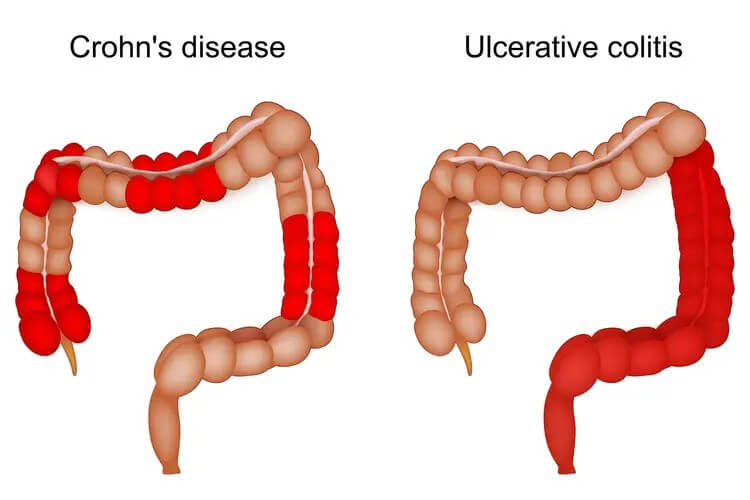
Ulcerative Colitis
Limited to colon and rectum
Continuous mucosal inflammation
Primarily affects the inner lining (mucosa/submucosa)
Rectal bleeding is common
While distinct diseases, both share key mechanisms, such as immune dysregulation, oxidative stress, impaired mucosal healing, microvascular dysfunction, and chronic inflammatory cytokine signaling.
These overlapping pathways are where HBOT is biologically relevant.
Why Oxygen Matters in IBD
Inflamed intestinal tissue is often relatively hypoxic, meaning it is deprived of adequate oxygen due to:
Microvascular injury
Edema and swelling
Impaired perfusion
High metabolic demand from immune activation
This creates a cycle:
Inflammation → hypoxia → impaired healing → more inflammation
HBOT directly targets this physiologic bottleneck.
How Hyperbaric Oxygen Therapy May Help IBD
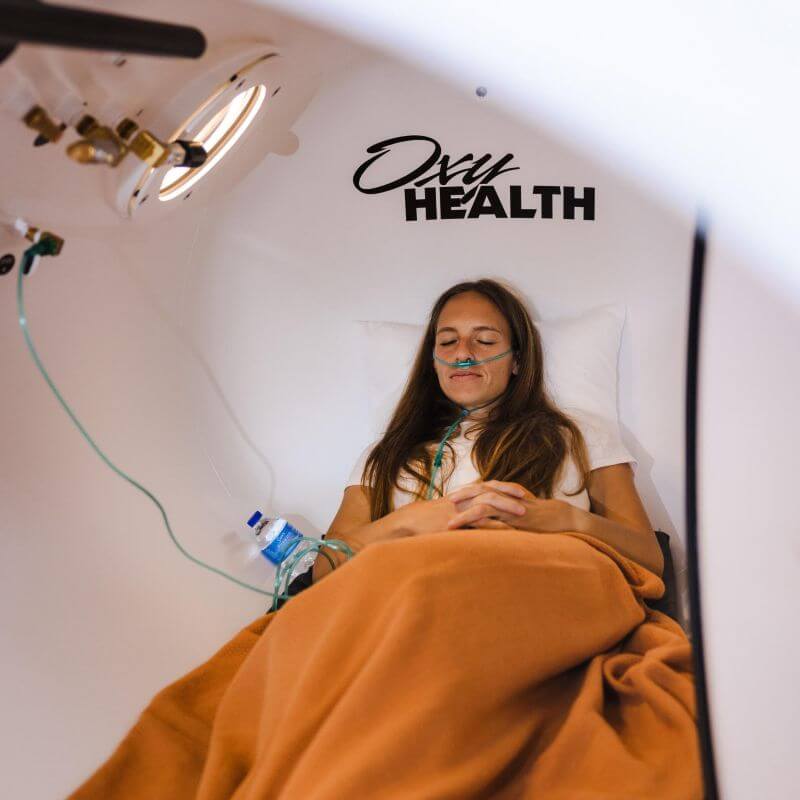
Hyperbaric Oxygen Therapy involves breathing 100% oxygen in a pressurized chamber, increasing dissolved oxygen in plasma and delivering oxygen to tissues with compromised blood flow.
1. Improved Mucosal Oxygenation
HBOT increases oxygen diffusion into ischemic or inflamed bowel tissue, supporting cellular metabolism even in areas of reduced perfusion.
2. Anti-Inflammatory Effects
HBOT has been shown to modulate inflammatory pathways including:
- Neutrophil adhesion and activation
- Pro-inflammatory cytokines (e.g., TNF-α, IL-1β)
- Endothelial activation and vascular inflammation
3. Enhanced Mucosal Healing
Oxygen is essential for:
- Fibroblast proliferation
- Collagen synthesis
- Angiogenesis (new blood vessel formation)
- Epithelial regeneration
4. Reduction of Oxidative Tissue Injury
While HBOT transiently increases reactive oxygen species, it also upregulates endogenous antioxidant defenses (hormetic effect), improving resilience to oxidative stress over time.
5. Immune Modulation
HBOT may help shift immune signaling away from chronic overactivation toward a more regulated healing phenotype.
What Does the Research Show?
Crohn’s Disease
Clinical studies have demonstrated that HBOT may improve outcomes in refractory Crohn’s disease, including:
Reduced disease activity indices
Improved symptom burden
Decreased inflammatory markers
Improved fistula healing in select cases
One clinical study of refractory Crohn’s disease showed significant improvement in disease activity following adjunctive HBOT.
Ulcerative Colitis
Evidence in UC suggests HBOT may be beneficial in moderate-to-severe or treatment-refractory cases.
Reported outcomes across studies include:
Reduced rectal bleeding
Improved endoscopic mucosal appearance
Decreased inflammatory activity
Improved quality of life scores
A systematic review concluded HBOT shows promise as an adjunctive therapy in ulcerative colitis, particularly in refractory disease.
Mechanistic and Translational Evidence
Broader literature supports HBOT’s role in:
Enhancing ischemic tissue repair
Modulating inflammatory bowel injury
Improving microvascular function in inflamed tissue
Where HBOT Fits in IBD Care
HBOT is not a replacement for standard IBD therapy.
It is best viewed as an adjunctive regenerative support therapy, potentially useful for:
Patients with incomplete response to biologics or immunosuppressants
Refractory or steroid-dependent disease
Poor mucosal healing despite clinical therapy
Post-flare recovery support
Complex or chronic inflammatory patterns
All patients should continue gastroenterology-directed care.
Who May Be a Candidate?
You may be a candidate for HBOT if you have:
Diagnosed Crohn’s disease or ulcerative colitis
Ongoing symptoms despite medical therapy
Frequent disease flares
Evidence of persistent inflammation
Desire for adjunctive, non-pharmacologic support
A full medical evaluation is required before starting therapy.
What to Expect
Treatment typically involves:
Comprehensive consultation with a licensed medical provider
Review of symptoms and medical history
Individualized treatment planning
A series of HBOT sessions over several weeks
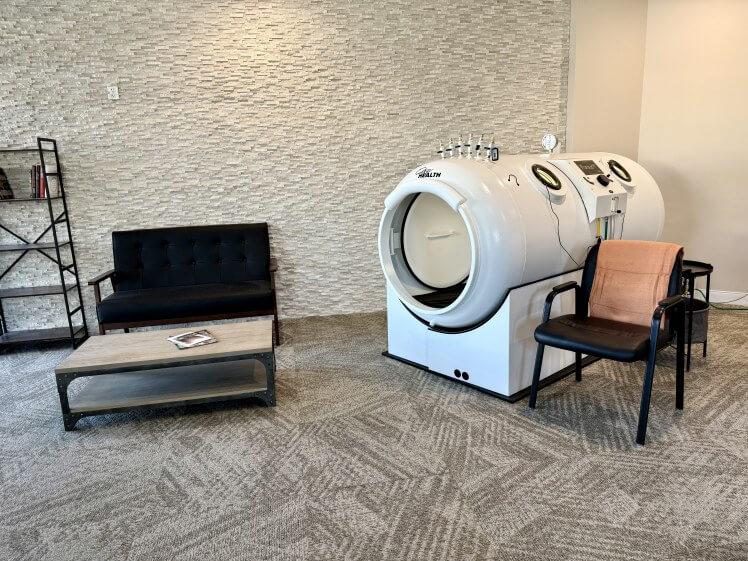
Most patients relax comfortably in our FDA-cleared medical chambers while breathing oxygen under pressure
Why Saint George Hyperbarics?
Unlike many wellness-focused oxygen centers, Saint George Hyperbarics provides:
Medical-grade hyperbaric oxygen therapy
FDA-cleared hard chambers
100% oxygen delivery
Certified hyperbaric clinicians
Physician oversight
Individualized treatment protocols
Our goal is to help patients maximize recovery potential and improve quality of life through evidence-informed hyperbaric medicine.
References
Crohn’s disease HBOT outcomes (refractory disease study)
Systematic review of HBOT in ulcerative colitis
Review of HBOT in inflammatory and ischemic tissue injury
Ready to Take the First Step?
If you’ve tried everything else and still don’t feel like yourself...
HBOT might be the missing piece.
OR



Information on this website is provided for educational purposes only. It is not intended as a substitute for the diagnosis, treatment, and advice of a qualified licensed professional. This website offers general information and in no way should anyone consider that this website represents the practice of medicine. This website assumes no responsibility for how this information is used. Also note that this website frequently updates its contents, due to a variety of reasons. No statements or implied treatments on this website have been evaluated or approved by the FDA. It is important that you do not reduce, change, or discontinue any medication or treatment without first consulting your doctor. Please consult your doctor before beginning any new program of treatment.
Copyright 2026. St George Hyperbarics, LLC. All Rights Reserved. Website by GOODMOOD SYSTEM.